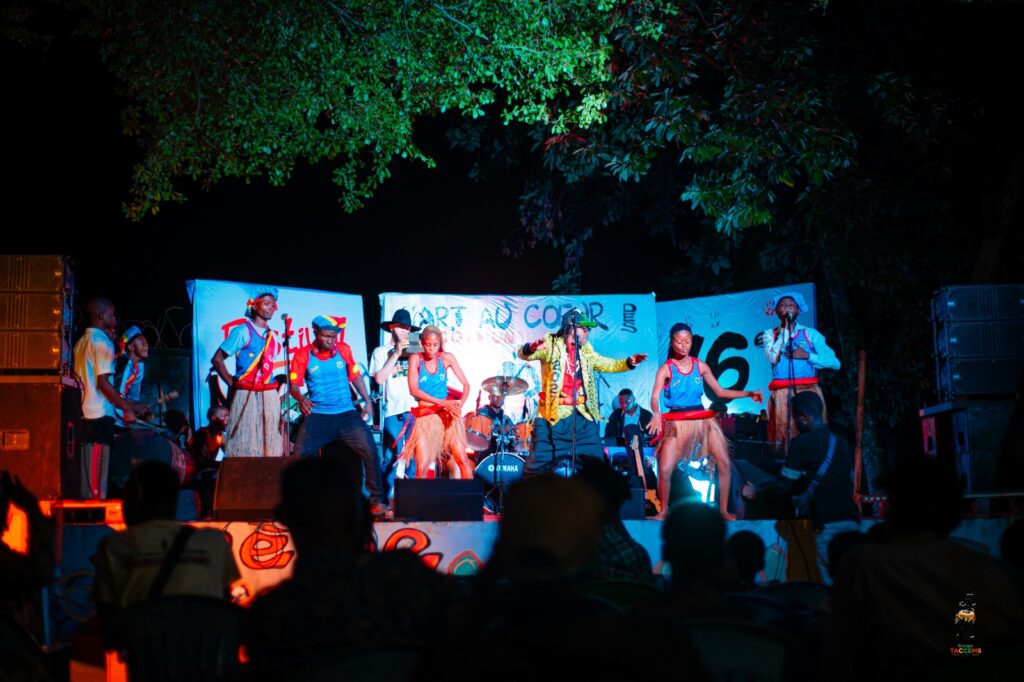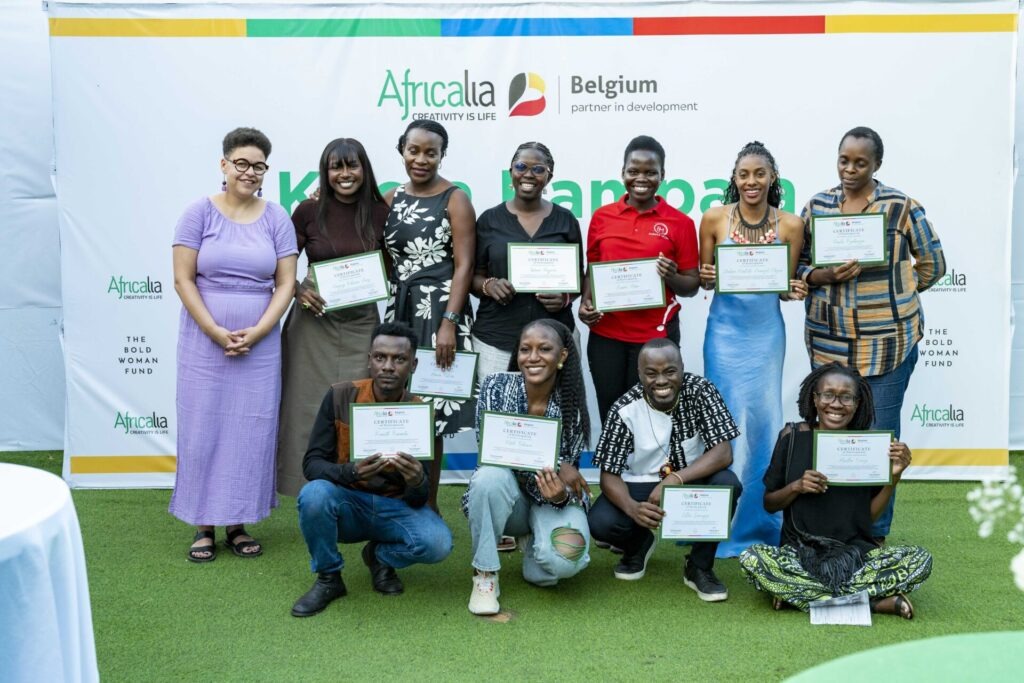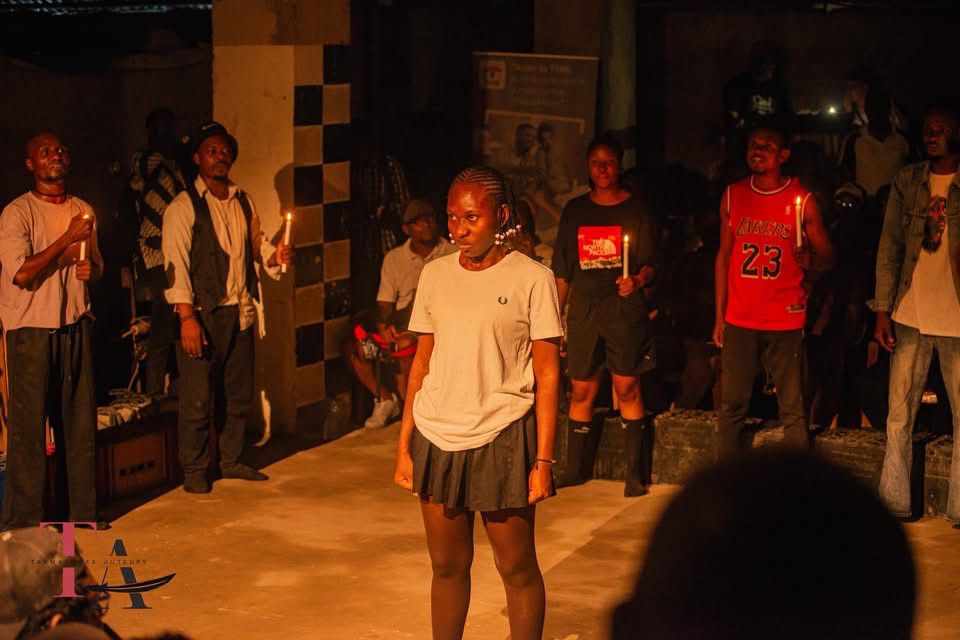
After several months of implementing their cultural projects, the cultural operators benefiting from the Creative Youth program met in Kinshasa to analyze their experiences, learn from their successes and difficulties, and reflect on mechanisms that could improve their future practices.
From training to action to reflection
For seven months, 14 cultural operators from Kinshasa, Kisangani and Lubumbashi benefited from a management support program as part of the project Jeunesse Créative project,, an initiative ofEnabel in the DRC. The program implemented by Africalia enabled them to strengthen their capacities and better prepare themselves for the design, management and implementation of cultural projects.
This support has notably resulted in the funding of nine cultural projects, carried out in consortia or individually. A significant milestone! The transition from theoretical training to practical experience confronted the participants with the concrete realities of managing a cultural initiative. It encouraged them to apply the lessons learned throughout their Creative Youth program, whether in project management, communication, funding, or reporting.
After five months of implementation, the operators met from July 27 to 29 in Kinshasa for a workshop to capitalize on the lessons learned. The objective of this final module was to understand how the projects had been implemented, what difficulties had been encountered, what solutions had been developed, and which practices deserved to be retained or improved, in order to strengthen management, governance, and implementation practices for future projects.
Difficulties as a source of learning
The obstacles encountered during project implementation can be a significant source of learning. Indeed, the completion of a cultural project constituted the second phase of the training process. The capitalization workshop then invited cultural operators to engage in an analytical retrospective of their activities. They reviewed the initially defined objectives, the results achieved, the successes recorded, and the difficulties encountered during implementation.
One of the main topics addressed during the workshop concerned financial management and project reporting. This issue requires an individualized approach. However, even though they operate in the same sector and benefit from the same support program, cultural organizations do not necessarily encounter the same realities. Projects differ, intervention contexts vary, and the difficulties encountered can be specific to each organization. By examining experiences on a case-by-case basis, the workshop enabled project leaders to better identify the challenges specific to their initiatives and to consider management mechanisms adapted to their realities.
Different experiences, common lessons
The 14 participating organizations in the support program operate in diverse contexts, notably in Kinshasa, Kisangani, and Lubumbashi. This geographical diversity also enriches the learning process. Each city possesses its own unique cultural, economic, and organizational realities. Sharing experiences among organizations throughout their Creative Youth program, particularly during the capitalization exercise, allowed them to overcome the limitations of each individual initiative.
Indeed, several organizations chose to collaborate within the city when designing their cultural projects. This allowed a single project to draw on expertise from different metropolitan contexts and extend its impact beyond a single urban center. To quote Jackson Lohanga of Likit'Arts in Kinshasa, who collaborated with Seringu'Arts in Lubumbashi: "I felt like I was in both Lubumbashi and Kinshasa at the same time. It was a wonderful experience."«
One of the key objectives of the support program implemented by Africalia was to strengthen the network of cultural operators and contribute to a Congolese cultural ecosystem conducive to collaboration. After a year and a half of training and practical application, participants can now not only capitalize on the theoretical and practical knowledge acquired, but also on the relationships forged throughout the program. Because the future of the cultural sector is built together!
Operators testify
How did the operators experience the support provided by Jeunesse Créative? And how did the implemented cultural projects contribute to the creative development of Congolese youth? Find out in eight video testimonials!


©Bimpa Production