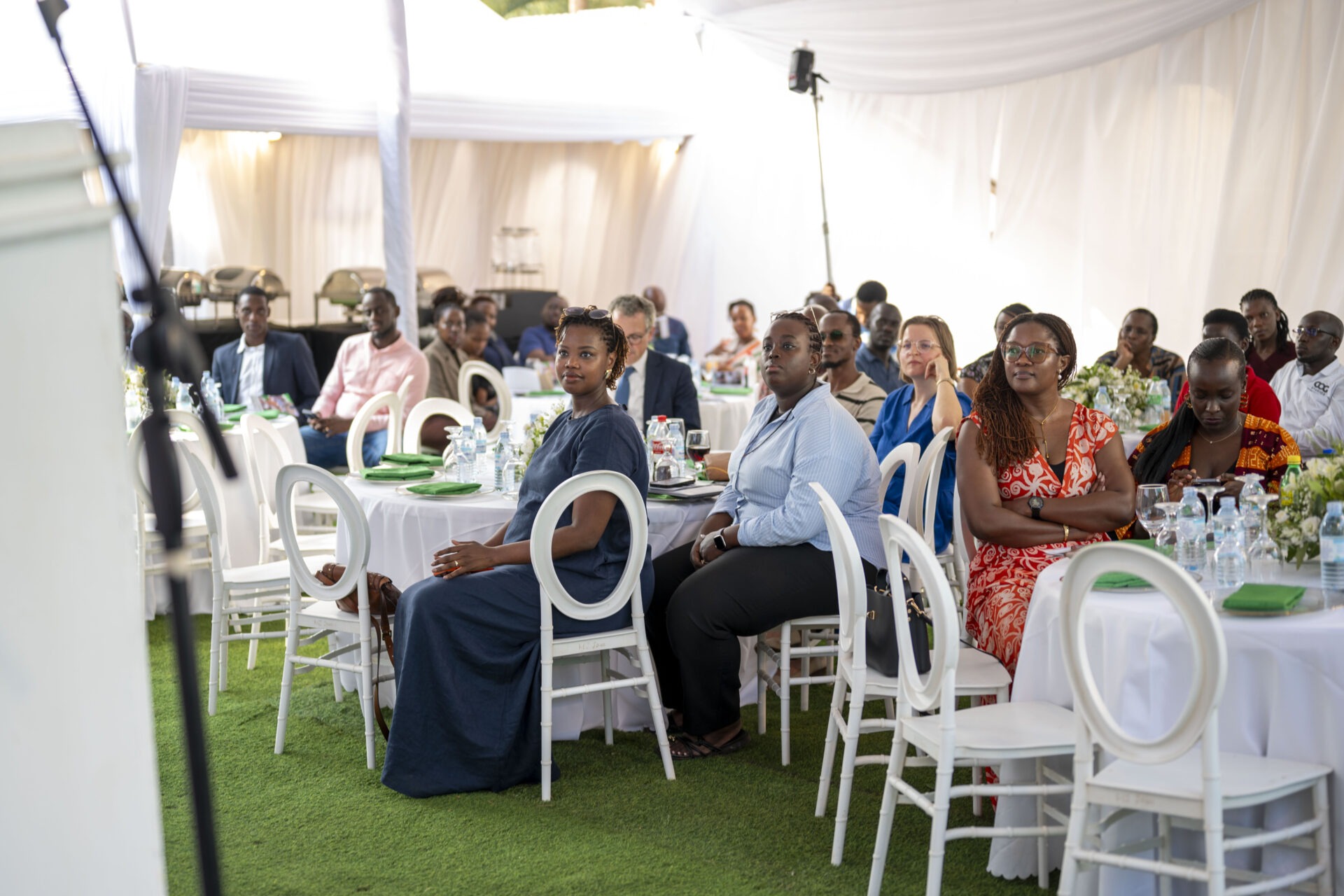
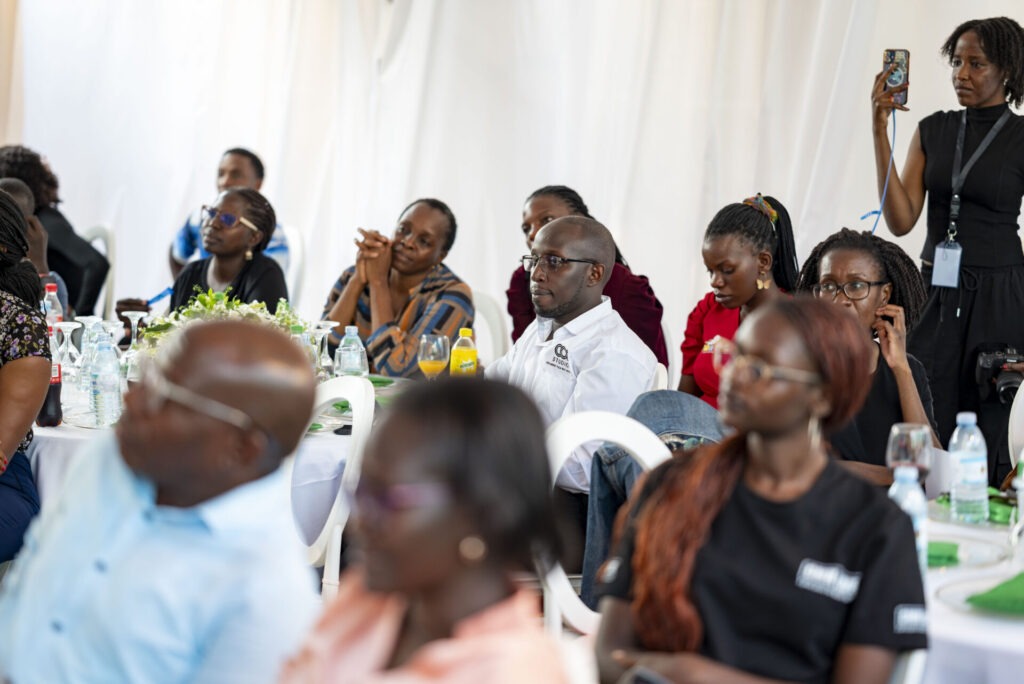
Uganda’s cultural and creative industries took centre stage as 12 entrepreneurs showcased businesses transformed through the Koola Kampala Business Incubation Programme during its closing ceremony.
By Daniella Biraaro
The event marked the culmination of a 12-month incubation journey that equipped cultural and creative entrepreneurs with business skills, mentorship, market access and seed funding to strengthen and scale their enterprises. More than a graduation, the showcase highlighted the growing recognition of Uganda’s creative economy as a driver of entrepreneurship, job creation and sustainable economic development.
The entrepreneurs presented businesses spanning product design, fashion, agriculture, crafts and cultural innovation, demonstrating how creativity can be transformed into commercially viable enterprises while preserving Uganda’s cultural heritage.
Jointly implemented by Africalia and The Bold Woman Fund, the program was designed to strengthen Uganda's cultural and creative industries by providing structured business support to emerging entrepreneurs. The initiative aligns with the 2005 UNESCO Convention on the Protection and Promotion of the Diversity of Cultural Expressions, the Sustainable Development Goals and Uganda's national policies on culture and the arts.
A chance discovery
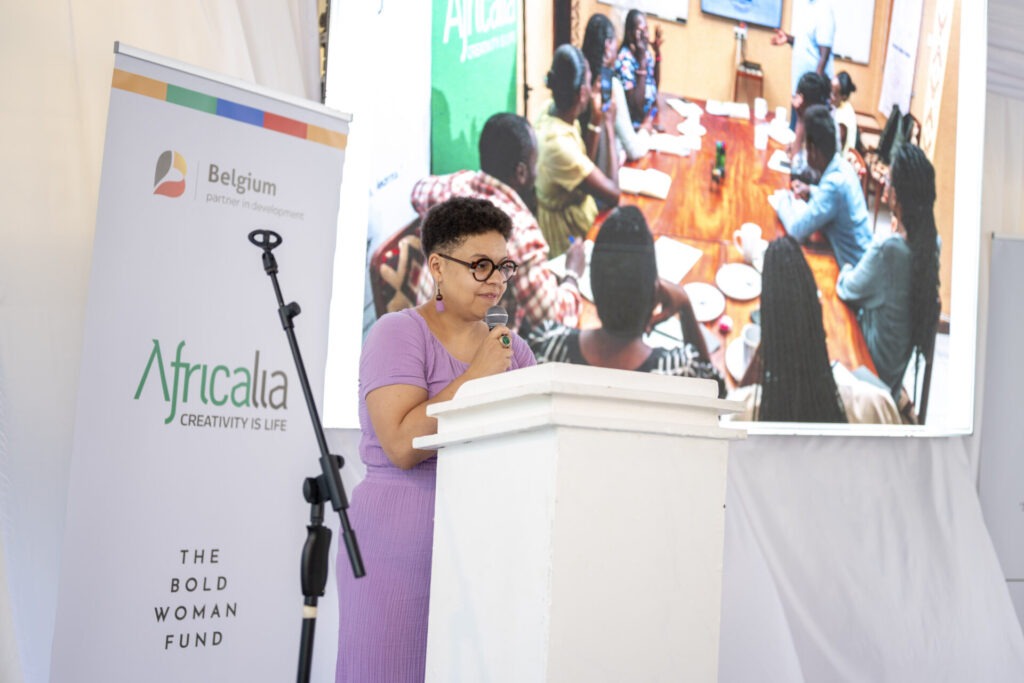
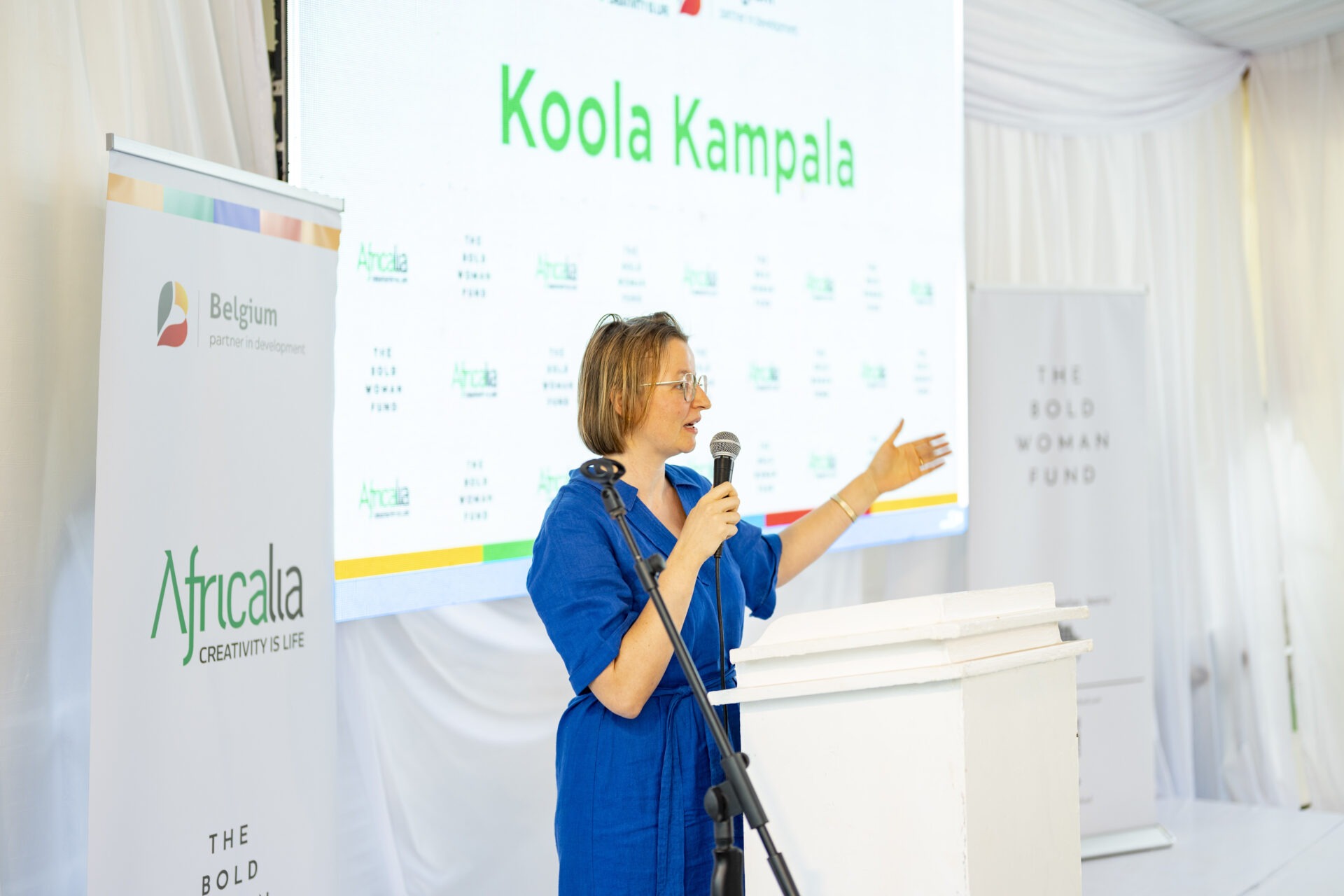
Speaking at the closing ceremony, Africalia Program Manager Magalie reflected on the unexpected encounter that sparked the partnership behind Koola Kampala. «One evening, I went for dinner at a bistro near Acacia Mall. A shop next door caught my eye,» she recalled. «The next morning I went back, found a small card about the Creative DNA program, sent an email that same week and invited them to respond to our call. »
That chance discovery eventually grew into a year-long program supporting 12 entrepreneurs to strengthen their businesses through tailored training, one-on-one mentorship and business development support. «What started with a dinner, a curious glance and a small business card became this: 12 entrepreneurs, months of training, mentorship and growth,» she said.
For Magalie, the program was about addressing longstanding barriers that continue to limit the growth of creative businesses across the continent. «Culture is not a luxury or an afterthought,» she said. «It is a driver of economic growth, social cohesion and identity. » She noted that despite Uganda's vibrant creative scene, many entrepreneurs struggle with limited access to finance, markets, business development services and professional networks. Koola Kampala, she said, was designed to bridge those gaps and help creative businesses become stronger, more resilient and market ready.
«The world needs what you are creating. Uganda needs what you're creating,» she told the entrepreneurs. «This is not an ending. This is the beginning. »
Success stories
The impact of the program was evident in the stories shared by the entrepreneurs themselves.
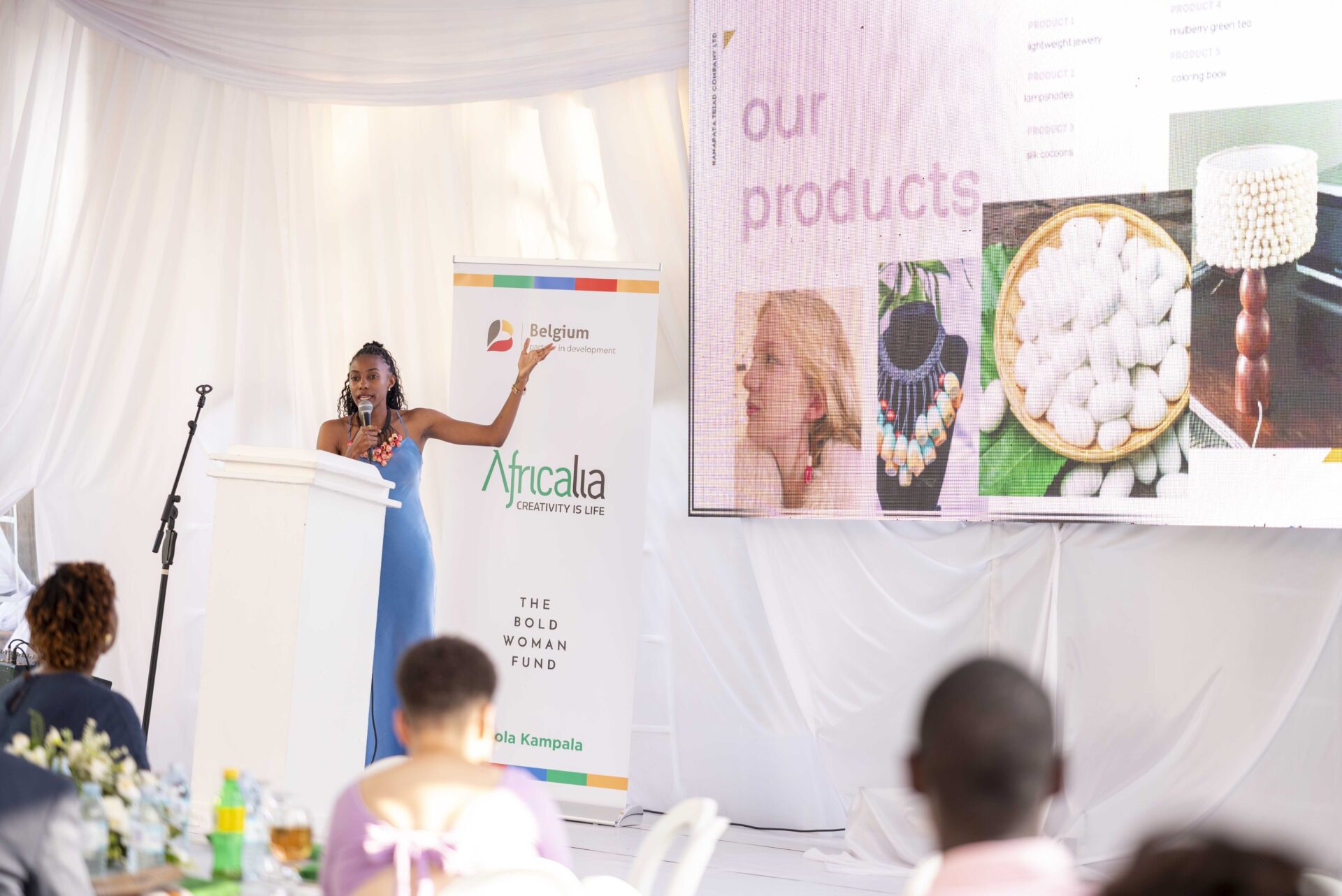
Among them was Shalom, founder of Kanapata, a sericulture enterprise pioneering silk production and value addition in Serere District. Rather than focusing solely on exporting raw silk cocoons, the business is developing an entire value chain that includes jewellery, decorative lighting and mulberry green tea. « Before the incubator programme, I didn’t have a business plan. I didn’t have focus, » Shalom said. « Now I know that I want to be an international one-stop hub for everything sericultural. »
Designer Kenneth Kanaabi, founder of Huema Design Studio, shared a similar journey of transformation. Trained as an architect, Kanabi set out to build a design studio that reimagines Uganda’s cultural heritage through contemporary furniture and home décor. Drawing inspiration from landmarks such as the Kasubi Tombs and traditional craftsmanship, his studio develops products that tell local stories while appealing to modern consumers. « For seven years I studied architecture, but nobody taught me business, » Kanaabi said. « Koola Kampala came at exactly the right time. »
Throughout the programme, he refined his branding, pricing strategy, production systems and intellectual property management while building relationships with artisans across Kampala’s manufacturing hubs. His experience reflects one of the programme’s broader objectives: helping creative entrepreneurs move beyond passion projects to build sustainable businesses capable of competing in local and international markets.
More than just creating jobs
The wider significance of the program was echoed by a representative of the Embassy of Belgium in Uganda, who applauded the entrepreneurs for demonstrating the economic potential of the creative and cultural industries. «Culture is often overlooked as a sector for creating jobs,» she said. «It's not only agriculture, it's not only industries that create jobs. It's also the cultural sector. »
The representative challenged participants to continue building businesses that strengthen Uganda's creative economy while elevating the country's products on the global stage. «We believe the ‘Made in Uganda’ brand needs so much more,» the representative said. «What you're doing is not only creating jobs. It's also putting Uganda on the map. »
The remarks also acknowledged the increasingly constrained global development financing environment, underscoring the need for programmes to demonstrate measurable impact. By supporting businesses with clear growth plans and practical outcomes, the incubation programme offers evidence that investing in culture can deliver economic as well as social returns.
A strong foundation
Throughout the evening, entrepreneurs showcased businesses that reflected both innovation and purpose. Their ventures illustrated the breadth of Uganda’s creative economy, from sustainable product design and value-added agriculture to heritage-inspired furniture, fashion and artisan craftsmanship. Beyond technical skills, participants spoke about gaining confidence as entrepreneurs, learning how to develop business strategies, build brands, protect intellectual property, access markets and prepare their enterprises for growth. The event also reinforced the importance of collaboration between development partners, cultural organisations and entrepreneurs in creating an enabling environment for Uganda’s creative industries.
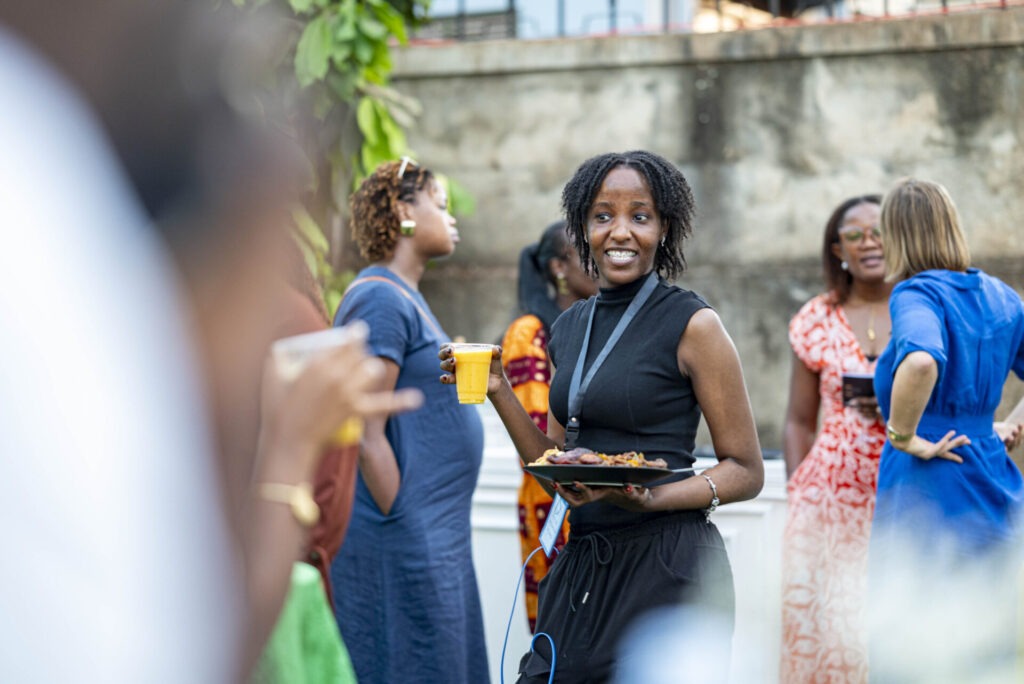
As the entrepreneurs received seed funding and celebrated the completion of the programme, the atmosphere reflected optimism for what lies ahead. The support they received over the past year has laid a stronger foundation for businesses that are creating products, preserving culture and opening new opportunities for employment.
The closing showcase marked the end of the incubation programme, but for the entrepreneurs it signalled the beginning of a new chapter. Equipped with stronger business models, expanded networks, practical entrepreneurial skills and the resources to grow, the 12 graduates now represent a new generation of creative business leaders demonstrating that Uganda’s cultural and creative industries are not simply preserving heritage. They are building enterprises, creating jobs and contributing to the country’s economic future.

©The Bold Woman Fund